









Why Money Feels Harder with ADHD
Guest blog post by Abby Birch, Neurodivergent Money Expert For many people, ADHD isn’t something they immediately connect to their money. When they are talked about together, the focus is
ADHD coaching is a practical, goal-focused approach that helps individuals with ADHD and other forms of neurodivergence better understand how they think, build effective strategies, and create lasting change in their lives.
Unlike therapy, which often focuses on the past, ADHD coaching is future-focused. It supports clients in developing skills such as organisation, time management, emotional regulation and self-awareness.
ADHD coaching helps people to:
We’ve designed a clear, structured pathway to help you build the knowledge, skills and confidence to become a professional ADHD coach.
Whether you’re just starting out or looking to deepen your expertise, you can enter at the stage that’s right for you.
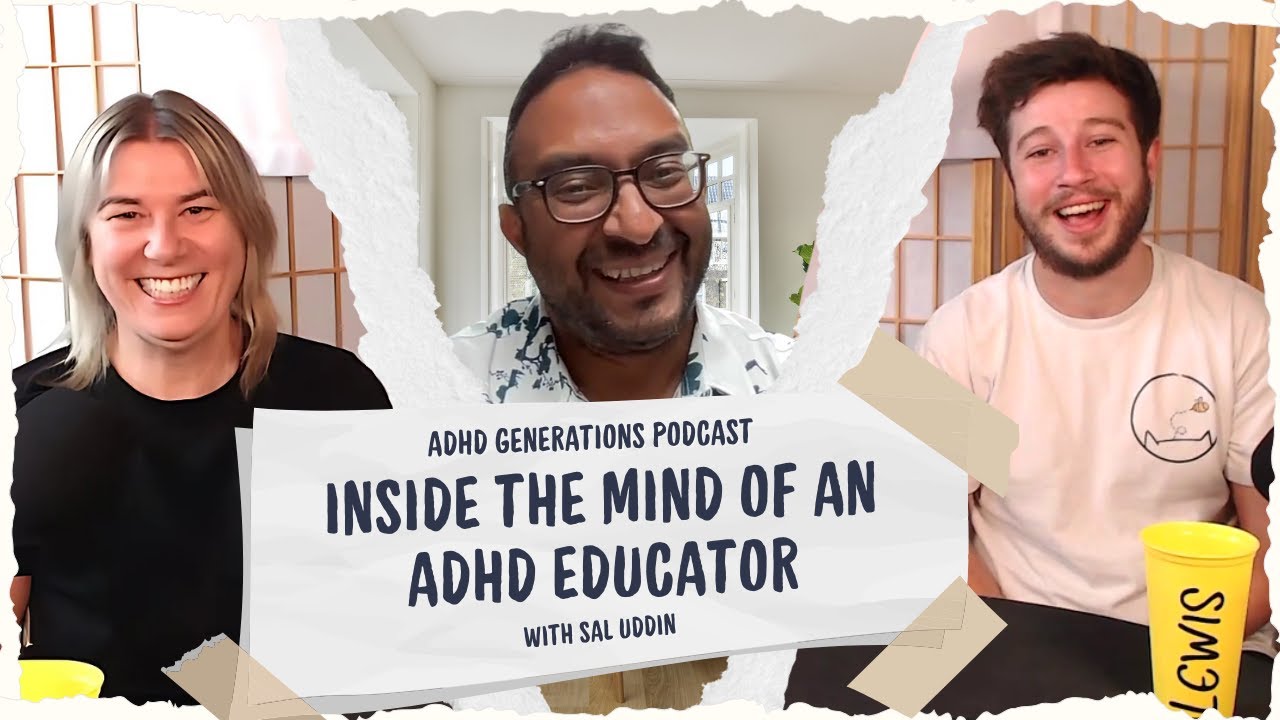
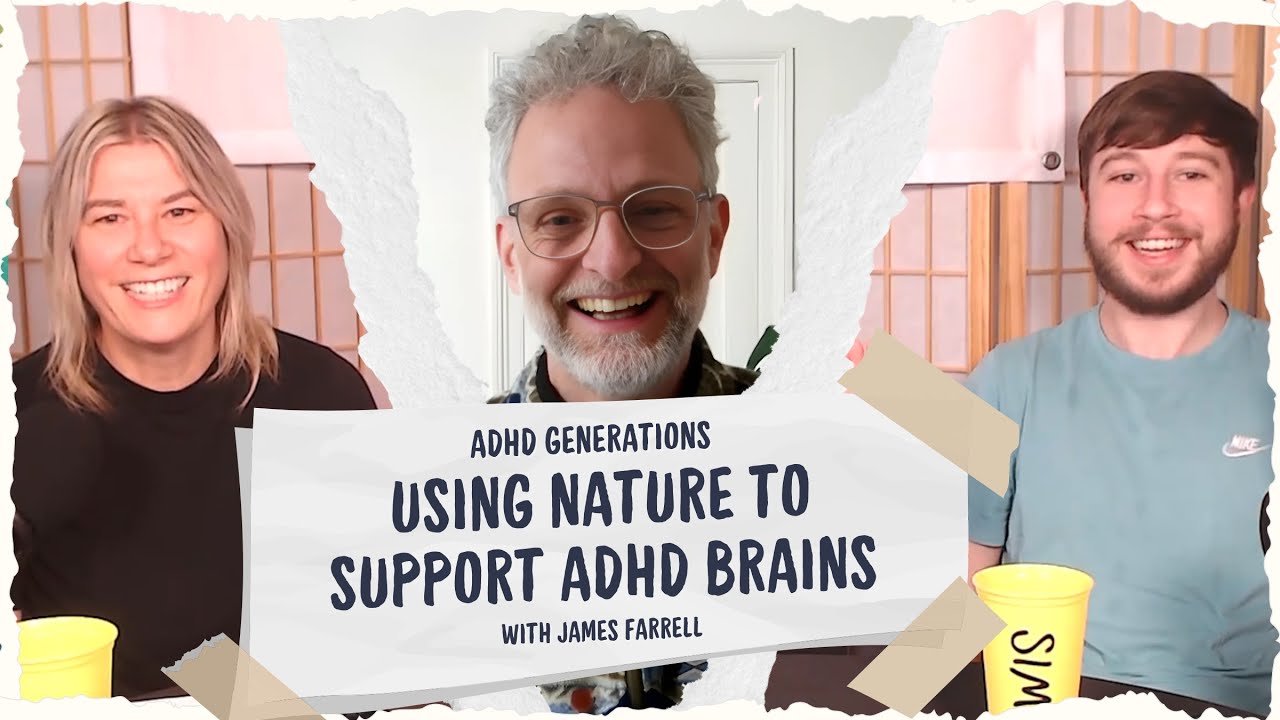
Explore ADHD coaching through our blog and podcast designed to give you an introductory understanding of the field.
Build a strong foundation in ADHD coaching, including key models, tools and techniques for working with clients.
Develop advanced coaching skills and deepen your understanding of neurodiversity in a professional training environment.
Continue to grow through group supervision, CPD and ongoing support as you develop your coaching practice.
Become part of a network of ADHD coaches, with opportunities for connection, learning and collaboration.
Choose from a range of accredited ADHD coaching courses, webinars and professional development opportunities designed to support you at every stage of your journey.
ADHD Coaching Certificate
Build a strong foundation in ADHD coaching with practical tools, models and techniques.
Neurodiversity Coaching Diploma
Develop advanced coaching skills and deepen your expertise in neurodiversity.
Webinars & Workshops
Explore key topics in ADHD coaching and gain practical insights through flexible learning.
Annual Conference
Join leading voices in ADHD coaching and connect with a growing professional community.
Neurodiversity Coaching Diploma
Develop advanced coaching skills and deepen your expertise in neurodiversity.
Webinars & Workshops
Explore key topics in ADHD coaching and gain practical insights through flexible learning.
Annual Conference
Join leading voices in ADHD coaching and connect with a growing professional community.
We provide high-quality, accredited ADHD coach training designed to equip you with the knowledge, skills and confidence to support neurodivergent clients.
Our training is dual accredited by the Association for Coaching and the Universal Coaching Alliance, ensuring high-quality, up-to-date content aligned with professional standards and recognised within the coaching industry.
Learn tools, techniques and frameworks you can apply immediately in your coaching practice, helping you confidently support clients in real-world situations from the very start.
Train with experienced ADHD coaches and practitioners who bring extensive real-world experience, offering practical insight into working effectively with neurodivergent clients.
Continue your development through group supervision, CPD and ongoing professional support, helping you refine your skills and grow your confidence as a coach over time.
Join an active network of ADHD coaches, with opportunities to connect, collaborate and learn from others as you build and develop your coaching practice.
Access training through a mix of live sessions, webinars and structured programmes, allowing you to learn in a way that fits around your existing commitments.
“Couldn’t have wished for a better learning experience…”Â
– James D., Course Member
Our training is dual accredited by the Association for Coaching and the Universal Coaching Alliance, ensuring high-quality, up-to-date content aligned with professional standards and recognised within the coaching industry.
Learn tools, techniques and frameworks you can apply immediately in your coaching practice, helping you confidently support clients in real-world situations from the very start.
Train with experienced ADHD coaches and practitioners who bring extensive real-world experience, offering practical insight into working effectively with neurodivergent clients.
Continue your development through group supervision, CPD and ongoing professional support, helping you refine your skills and grow your confidence as a coach over time.
Join an active network of ADHD coaches, with opportunities to connect, collaborate and learn from others as you build and develop your coaching practice.
Access training through a mix of live sessions, webinars and structured programmes, allowing you to learn in a way that fits around your existing commitments.
Hear from coaches who have completed training with Barrett Coaching and Training and gone on to develop their practice.
“This training completely changed my career path. I went from feeling unsure to feeling confident and equipped to work with ADHD clients.
What stood out most was how genuinely neuro-affirming the experience felt, and how much it deepened my own understanding of ADHD.”
I finished the course feeling confident, capable, and excited about the work I’m now doing with clients.”
ADHD Coaching Certificate Graduate
Trusted by hundreds of coaches across the UK
When you train with Barrett Coaching & Training, you become part of a growing community of ADHD coaches and professionals.
Beyond the course itself, there are ongoing opportunities to connect, learn and continue developing your skills.
You’ll have access to group supervision sessions after completing the course, giving you a space to reflect on your coaching, ask questions and continue developing your skills. This ongoing support helps build confidence and ensures you’re not working in isolation as you grow your practice.
You’ll become part of a wider network of ADHD and neurodiversity coaches, making it easy to connect with others, share experiences and learn from peers working in similar areas.
Once you’ve completed the course, you may have the opportunity to be included in the Barrett Coaching & Training directory, helping potential clients find you and supporting you in building your coaching practice.
There are regular opportunities to continue your development through CPD-accredited webinars, events and additional learning resources, helping you stay up to date and keep building your knowledge over time.
You’ll be able to stay connected with other coaches through community spaces such as group chats and online platforms, creating opportunities for collaboration, support and shared learning.
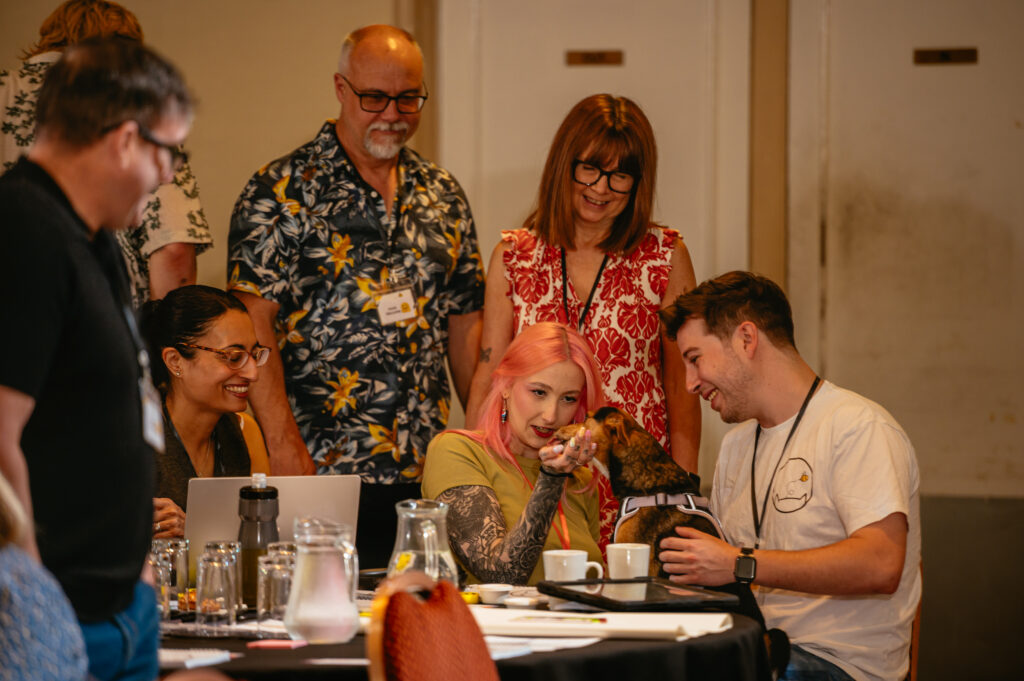
You’ll have the opportunity to attend an annual conference and other community events, bringing coaches together to learn, network and be part of the wider ADHD coaching community.
Professional recognition
Our training is accredited by the Association for Coaching and the Universal Coaching Alliance, reflecting recognised professional standards, ethical practice and high-quality delivery.
Dual accredited
Aligned with recognised coaching standards, ethics and competency frameworks.
ADHD and Autism can co-occur, creating a unique neurotype often referred to as AuDHD. This session dives deep into what makes AuDHD distinct, the challenges clients face, and the incredible […]
During the workshop you will explore what Executive Function is and look deeper into the four areas of Executive Function. We will be doing some group work around practical examples […]
Working as an ADHD coach with young people can be an incredibly rewarding experience, but it’s not for the faint hearted. It takes more work and investment than traditional coaching […]
This workshop explores what Body Based Practices are, along with understanding why and how they can be helpful in ADHD Coaching. We then go on to practice several exercises in […]
Explore insights, practical tools and guidance on ADHD coaching, training and working with neurodivergent clients.

Guest blog post by Abby Birch, Neurodivergent Money Expert For many people, ADHD isn’t something they immediately connect to their money. When they are talked about together, the focus is

A Coaching Model for Neurodivergent Minds Guest blog post by Sal Uddin When I began my coaching journey, I leaned heavily on the tried-and-tested models already out there. GROW, CLEAR,

Creating and sticking to good habits is something many ADHDers struggle with, even when they’re highly motivated. Whether it’s exercising regularly, reading more, or practicing mindfulness, the initial burst of

Many people with ADHD come to coaching with goals or purposes around focus and executive function. Often these relate to home management or work place tasks and they are struggling
ADHD coaching is based on traditional coaching, which is a forward-focused process that helps someone understand where they are now, where they want to go, and what steps they can take to move forward.
Like all coaching, it involves questioning, listening and reflection, using established coaching models to help people work through challenges and make progress.
What makes ADHD coaching different is that it’s delivered through the lens of ADHD and neurodivergence. Alongside the traditional, non-directive coaching approach, it can also include more structure, guidance and practical support where needed.
This might involve offering strategies, sharing relevant knowledge about ADHD, or providing additional scaffolding to help clients stay focused, organised and on track.
The result is a flexible approach that combines traditional coaching with practical, supportive techniques to help neurodivergent individuals achieve their goals more effectively.
The ADHD coaching training course is designed for people from a wide range of backgrounds who want to support others more effectively.
Many participants come from counselling or therapy backgrounds and are looking to add a more forward-focused, practical element to their work. Others join from fields such as education, healthcare, or the arts, often with a desire to support colleagues, clients or people within their wider network.
Some people go on to build their own coaching practice or business, while others use their coaching skills within an existing role, for example as a manager, practitioner, or part of a coaching or neurodiversity network within their organisation.
Overall, the course is suitable for anyone who wants to develop coaching skills and support neurodivergent individuals in a structured, practical and meaningful way.
No – you do not need to have ADHD to join the course.
While many people who take part do have ADHD, often discovering it later in life and feeling motivated to help others, the course is open to a much wider group.
Participants may be neurodivergent in different ways, or not neurodivergent at all. Many people join because they want to better support friends, family members, colleagues or clients who are neurodivergent, and already have a strong sense of empathy and interest in this area.
Having ADHD can provide useful lived experience, but it is not a requirement. What matters most is a genuine interest in understanding neurodivergence and a desire to support others effectively.
No – you do not need any previous coaching qualifications to join the course.
This is a foundational coaching course, designed to teach you the core principles, models and techniques you need to start coaching effectively. As part of the training, you’ll learn both traditional coaching approaches and how to apply them through the lens of ADHD and neurodivergence.
Because the course is accredited by professional coaching bodies, it follows recognised competency frameworks, meaning you’ll be developing the same core skills expected of coaches within the wider profession.
By the end of the course, you’ll have the skills to work in a range of coaching contexts, whether that’s more traditional, non-directive coaching, or a more structured and supportive approach when working with ADHD clients.
It provides a strong foundation to begin coaching, with the option to continue developing your skills further through additional training and professional development over time.Â
This course is accredited by two recognised professional coaching bodies: the Association for Coaching and the Universal Coaching Alliance.
In the UK, courses can be accredited either through academic institutions (such as City & Guilds or ILM) or through professional coaching bodies. This course is accredited through the professional coaching route, which focuses specifically on coaching standards and practice.
Accreditation by these bodies means the course follows established codes of ethics and recognised competency frameworks. It also reflects a commitment to high-quality training, including elements such as supervision and professional standards that are important within the coaching profession.
While some courses may carry general CPD accreditation, this is not the same as being accredited by a professional coaching body. Professional accreditation ensures the course meets the standards expected within the coaching industry and provides a more robust and trusted foundation for practice.
No – you do not need to have ADHD to join the course.
While many people who take part do have ADHD, often discovering it later in life and feeling motivated to help others, the course is open to a much wider group.
Participants may be neurodivergent in different ways, or not neurodivergent at all. Many people join because they want to better support friends, family members, colleagues or clients who are neurodivergent, and already have a strong sense of empathy and interest in this area.
Â
Having ADHD can provide useful lived experience, but it is not a requirement. What matters most is a genuine interest in understanding neurodivergence and a desire to support others effectively.
No – you do not need to have ADHD to join the course.
While many people who take part do have ADHD, often discovering it later in life and feeling motivated to help others, the course is open to a much wider group.
Participants may be neurodivergent in different ways, or not neurodivergent at all. Many people join because they want to better support friends, family members, colleagues or clients who are neurodivergent, and already have a strong sense of empathy and interest in this area.
Â
Having ADHD can provide useful lived experience, but it is not a requirement. What matters most is a genuine interest in understanding neurodivergence and a desire to support others effectively.
No – you do not need to have ADHD to join the course.
While many people who take part do have ADHD, often discovering it later in life and feeling motivated to help others, the course is open to a much wider group.
Participants may be neurodivergent in different ways, or not neurodivergent at all. Many people join because they want to better support friends, family members, colleagues or clients who are neurodivergent, and already have a strong sense of empathy and interest in this area.
Â
Having ADHD can provide useful lived experience, but it is not a requirement. What matters most is a genuine interest in understanding neurodivergence and a desire to support others effectively.
There is a wide range of ongoing support available after completing the course, helping you continue developing as a coach and stay connected with others.
You’ll become part of an active community of coaches, with opportunities to stay in touch through group chats, a LinkedIn network, and a wider professional community of ADHD and neurodiversity coaches. This includes access to forums, events such as coffee mornings, and collaborative spaces where coaches can share ideas and resources.
You’ll also have access to additional learning opportunities, including webinars and an annual conference, as well as free group supervision sessions for a period after completing the course.
Alongside this, there is ongoing informal support, with trainers and peers available to connect with as you continue to build your coaching practice.
Overall, the aim is to provide a supportive professional environment that continues beyond the course itself, helping you grow in confidence and stay connected within the coaching community.
ADHD coaching differs from therapy and mentoring in both its focus and how it is delivered.
Therapy and counselling are typically focused on the past, helping individuals understand and work through previous experiences. ADHD coaching, by contrast, is forward-focused, it concentrates on where someone is now, where they want to go, and how to help them move forward in a practical and structured way.
Mentoring shares some similarities with coaching, particularly in its forward-looking approach. However, mentoring is often more ongoing and relationship-based, sometimes continuing over a longer period of time.
Coaching, on the other hand, is usually more structured and time-bound, often taking place over a defined number of sessions. It is designed to help individuals make progress towards specific goals within a focused timeframe.
ADHD coaching may also include elements of guidance and shared understanding, particularly when working with neurodivergent clients, but its core remains a goal-oriented, future-focused approach that supports individuals to move forward effectively.
No – you do not need to have ADHD to join the course.
While many people who take part do have ADHD, often discovering it later in life and feeling motivated to help others, the course is open to a much wider group.
Participants may be neurodivergent in different ways, or not neurodivergent at all. Many people join because they want to better support friends, family members, colleagues or clients who are neurodivergent, and already have a strong sense of empathy and interest in this area.
Â
Having ADHD can provide useful lived experience, but it is not a requirement. What matters most is a genuine interest in understanding neurodivergence and a desire to support others effectively.
On this course, you’ll learn how to become an ADHD coach, developing the core skills, tools and techniques needed to support clients effectively.
Alongside learning practical coaching methods, you’ll also gain a deeper understanding of ADHD and neurodivergence, including how different people experience it and how it can impact their lives.
A key part of the course involves learning through experience — you’ll both practise coaching and be coached yourself. This helps build confidence, self-awareness and a deeper understanding of how coaching works in practice.
Many participants also find they learn more about themselves throughout the process, as well as how to work effectively with others in a supportive group environment.
Overall, the course combines practical coaching skills with personal development and a deeper understanding of neurodiversity, creating a well-rounded foundation for working as an ADHD coach.
Tune in for thoughtful conversations, practical insights and real-world reflections on ADHD coaching, neurodiversity, professional practice and supporting clients with confidence.


Whether you’re starting from scratch or building on existing experience, our training gives you the skills, confidence and support to move forward.
No prior ADHD coaching experience required
Join 200+ trained coaches
Barrett Assistant