

We have lots of habits in our daily lives – some good and some bad. I’ve realised that many of the successes in my life have been achieved by breaking the bad ones and establishing the the good ones. The good habits that we can do without even thinking about it are the ones that will help us most.
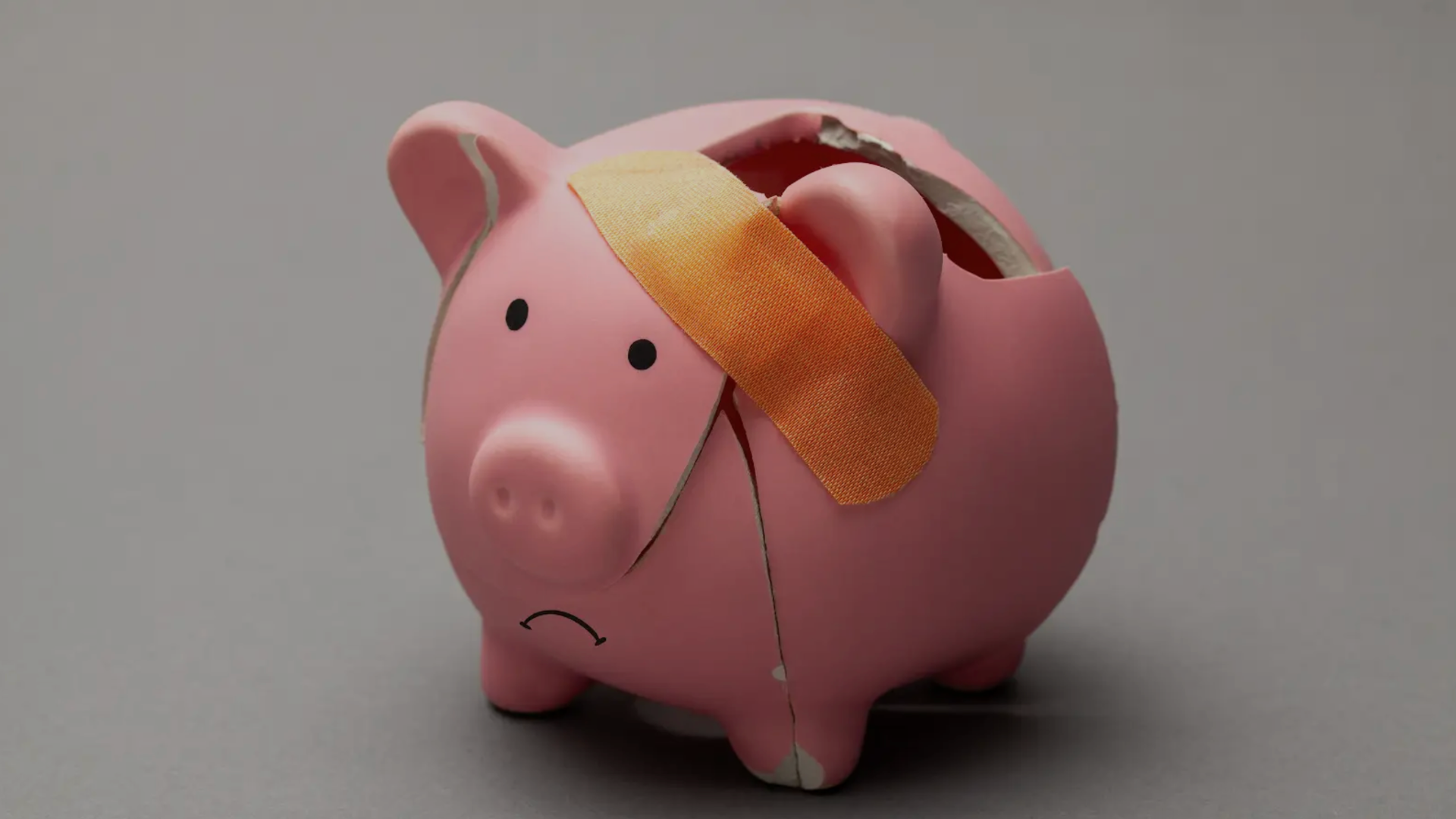
When you think of bad habits some obvious ones spring to mind like smoking, drinking and drugs. But here are some others that can harm us in the long run… sitting for too long, overspending, losing or wasting our things, or staying up too late. We can form distorted thinking habits too. Thinking badly of ourselves, beating ourselves up when things go wrong and assuming the worst.
Good habits can seem so hard to achieve. There is a lot of excellent advice is out there and there are many self help books about how to develop good habits that will serve you well. They all seem to agree on some basics. Start small. Find your rewards.
Starting small can be a big help. There was a story on Reddit about someone who wanted to start going to the gym. They were too anxious to go in at first, so they started by getting some gym clothes and putting them on. Then they made the journey to the gym a few times to get used to it. After a while they started going in. Soon they had built up the habit of going to the gym and working out, but they did it in stages as their confidence increased.
Finding your reward can give you the motivation you need to develop a good habit. One of my clients was in the habit of thinking the worst when she received a message from a colleague saying ‘can I have a chat with you,’ or ‘do you have 5 minutes?’ She immediately panicked about all the things she might have done wrong. But every one of those conversations were positive and often about how she could help. So we came up with a new internal response – ‘how can I help?’ Over time she has practised this response and her reward is more calmness and less stress when a colleague wants to chat.
Rewards can also be material of course. Chocolate, new clothes, a nice meal – who doesn’t like to reward themselves now and then? As long as the reward causes you no harm, it can be motivation to form good new habits.
With practice and perseverance you can build up good habits until they become part of who you are, how you think, and what you do.